

Marine operations often require temporary or flexible connections to support fuel, water or oil transfer between tanks, decks or even between vessels. Unlike fixed piping, these systems rely on hoses to transport fluids, which introduces unique challenges in flow control, safety and operational efficiency. Marine hose globe valves are essential components in these systems, providing reliable flow regulation and protection in hose-based shipboard applications.
In Malaysia’s tropical marine environment, vessels encounter high humidity, saltwater exposure and variable operating conditions. Choosing the right marine hose globe valve in Malaysia ensures smooth operations, safety and equipment longevity.
The Challenges of Flow Control in Hose-Based Marine Systems
Hose-based systems differ from rigid pipelines because:
- Hoses are more flexible and prone to movement
- Connections are temporary or modular
- Flow rates can vary significantly depending on pump operation
Without proper control, hose systems are vulnerable to:
- Pressure surges or backflow
- Hose bursts due to sudden flow changes
- Contamination entering the line
- Operational delays or downtime
Marine hose globe valves are specifically designed to address these challenges by providing precise and reliable flow regulation directly at the hose connection point.
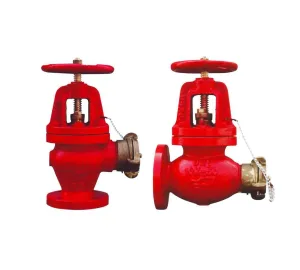
How Marine Hose Globe Valves Work in Shipboard Hose Applications
A marine hose globe valve regulates flow using a disc that moves perpendicularly to the seat, allowing fine control of fluid passing through the valve. When installed on hose lines:
- Operators can gradually open or close the valve to manage flow rate
- Pressure fluctuations are minimised, protecting both hoses and pumps
- Contaminants or debris are prevented from being forced into critical systems
This precise regulation is essential during operations like fuel transfer, water ballasting or temporary oil circulation, where hose lines are commonly used.
Key Advantages of Using Marine Hose Globe Valves Malaysia
Marine hose globe valves provide several distinct advantages for shipboard hose applications, making them indispensable for safe and efficient operations:
-
Precise Flow Control
Unlike simple on/off valves, marine hose globe valves allow gradual adjustment of flow rates. This precision is critical when transferring fuel, water or oil through hoses, as sudden surges can damage hoses, pumps or connected equipment. Operators can fine-tune the valve to achieve steady, predictable flow, which is essential for maintaining safe operating pressures and avoiding over-pressurisation.
-
Enhanced Safety
Marine hose operations often involve flammable or hazardous fluids. Globe valves prevent uncontrolled flow and backflow, reducing the risk of spillage, leaks or accidents. In addition, their precise control allows crews to manage flow in emergency scenarios, such as rapid shut-off during leaks or sudden hose movement, improving overall shipboard safety.
-
Durability in Marine Conditions
High-quality marine hose globe valves are manufactured using bronze, stainless steel or coated cast iron, ensuring resistance to corrosion, saltwater exposure and humidity. This durability maintains valve performance over time, even in Malaysia’s tropical marine environment, reducing maintenance frequency and prolonging service life.
-
Ease of Integration with Hoses
These valves are designed for secure connection to flexible hoses, allowing quick installation and disconnection. This is particularly valuable during temporary operations such as fuel bunkering, tank cleaning or emergency response, where hoses may be frequently moved or replaced. The secure connection also prevents leaks and ensures consistent flow control.
-
Protection of Downstream Equipment
By regulating flow and filtering debris at the hose connection, marine hose globe valves shield pumps, meters and auxiliary machinery from sudden pressure spikes and contamination. This protects expensive equipment, reduces downtime and ensures smooth operation throughout the transfer process.
-
Operational Efficiency
Using marine hose globe valves reduces the likelihood of overfilling tanks, wasting energy or causing pump strain. Operators can maintain optimal flow for each hose operation, improving overall efficiency during loading, unloading or ballast operations. This translates into safer, faster and more predictable shipboard processes.
Common Shipboard Applications in Malaysia
Marine hose globe valves are typically installed in:
- Fuel transfer hoses, for bunkering or tank-to-tank operations
- Ballast water hoses, where controlled flow protects pumps and lines
- Auxiliary service hoses, such as freshwater or lubricating oil transfer
- Emergency response hoses, where rapid and reliable flow shut-off is critical
By providing controlled flow at the hose connection point, these valves help ensure operations remain safe, predictable and efficient.
Material Selection and Maintenance Considerations
In Malaysia’s humid and saline marine environment, material selection is crucial. Commonly used materials include:
- Bronze, which offers excellent corrosion resistance and smooth operation
- Stainless steel, for higher durability and chemical resistance
- Marine-grade coatings, applied to protect cast iron components
Regular inspection and cleaning of the valve and hose connection are essential to maintain smooth operation and prevent debris build-up, ensuring long-term reliability.
Why Choosing the Right Marine Hose Globe Valve Matters
The correct valve ensures:
- Smooth, controlled flow during hose operations
- Protection of pumps and downstream equipment
- Operational safety for crew and vessel
- Long-term reliability even under tropical marine conditions
Partnering with experienced suppliers of marine hose globe valves in Malaysia helps operators select the right valve for hose size, operating pressure and flow requirements.
Conclusion
Marine hose globe valves are indispensable for shipboard hose systems, providing precise flow control, operational safety and equipment protection. In Malaysia, where tropical marine conditions challenge both hoses and connected machinery, selecting high-quality valves ensures smooth, reliable and safe operations during fuel, water or oil transfer.
By understanding their role and proper application, vessel operators and marine engineers can optimise hose-based operations while safeguarding both crew and equipment.
Frequently Asked Questions (FAQs)
What are Marine Hose Globe Valves used for on ships in Malaysia?
Marine hose globe valves control the flow of fuel, water or oil through flexible hose lines, ensuring safe and reliable operations during transfers or temporary connections.
How do Marine Hose Globe Valves ensure precise flow control?
These valves use a perpendicular disc to the seat, allowing gradual adjustments that maintain steady flow and prevent pressure surges in hose-based systems.
What makes Marine Hose Globe Valves suitable for Malaysia’s marine environment?
High-quality materials such as bronze and stainless-steel resist corrosion from saltwater and humidity, ensuring long-term valve performance in tropical conditions.
Can Marine Hose Globe Valves prevent hose damage?
Yes, by providing controlled flow and reducing sudden pressure spikes, they protect hoses, pumps and downstream equipment from damage during operations.
Where are Marine Hose Globe Valves commonly installed on vessels?
They are typically installed on fuel transfer hoses, ballast water hoses, auxiliary service lines and emergency response hoses to manage flow safely and efficiently.
Disclaimer:
The information in this article is for general guidance only and does not replace professional marine engineering or regulatory advice. Always verify specifications and compliance requirements with qualified professionals or relevant authorities.