

Efficient flow control and backflow prevention are critical in marine piping systems, particularly on vessels where space is limited and system reliability is non-negotiable. Among the valves widely used in Malaysian marine operations, Marine SDNR Angle Valves stand out for their ability to combine non-return functionality with compact, angle-type design.
This article explores the design features, applications and benefits of Marine SDNR Angle Valves, providing practical insights for engineers, shipowners and procurement teams looking to optimize their vessel systems.
What Are Marine SDNR Angle Valves?
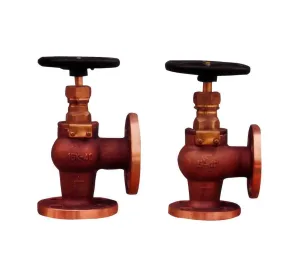
A Screw Down Non-Return (SDNR) Angle Valve is a type of marine valve that combines:
- Non-return (check) functionality – preventing reverse flow
- Angle-type flow design – allowing a 90-degree change in flow direction
This configuration reduces the need for additional piping bends or separate check valves, making the SDNR angle valve a space-efficient solution for tight marine installations. Compared to straight-line SDNR globe valves, the angle design is ideal when piping layouts require directional changes without compromising non-return protection.
Key Design Features of Marine SDNR Angle Valves
-
Angle Flow Configuration
The distinctive 90-degree orientation of the SDNR angle valve allows for smooth directional changes in the piping system. This reduces turbulence, minimizes pressure loss and helps maintain efficient system performance.
-
Integrated Non-Return Mechanism
Like globe SDNR valves, angle SDNR valves include a built-in check valve that automatically prevents backflow. This is crucial for maintaining system safety in bilge, ballast and cooling water circuits.
-
Marine-Grade Materials
Most SDNR angle valves used in Malaysia are manufactured from bronze or approved marine alloys, providing:
- Superior resistance to saltwater corrosion
- Durability in humid and tropical conditions
- Longevity for systems exposed to continuous marine operation
-
JIS Flanged Connections
Marine SDNR Angle Valves are usually supplied with JIS-standard flanges, ensuring compatibility with other shipboard piping components and facilitating easy integration into existing systems.
Common Applications on Vessels in Malaysia
Marine SDNR Angle Valves are widely applied in areas where directional flow control and non-return protection are both required:
- Bilge and ballast systems – preventing backflow and optimizing space
- Cooling water circuits – ensuring smooth flow and protection for pumps
- Firefighting and fuel lines – where safety and reliability are critical
- Auxiliary piping systems – especially in tight or complex layouts
Their compact design makes them particularly suitable for space-constrained areas like engine rooms, pump skids and deck piping systems.
Advantages of Marine SDNR Angle Valves
- Space-Saving Design – The angle configuration reduces the need for extra elbows or fittings, saving space on crowded decks.
- Enhanced Safety – The built-in non-return mechanism prevents reverse flow and reduces the risk of flooding or equipment damage.
- Durable Construction – Marine-grade materials ensure long service life, even in harsh tropical marine environments.
- Simplified Installation – JIS-standard flanged connections and integrated check functionality reduce the number of components and potential leak points.
SDNR Angle Valves vs. SDNR Globe Valves
While both valve types provide screw-down non-return functionality, the choice depends on piping layout and flow requirements:
- SDNR Globe Valves – Best for straight-line systems requiring precise flow regulation.
- SDNR Angle Valves – Best for systems with directional changes, offering a compact and efficient alternative without compromising non-return protection.
Understanding the differences ensures engineers select the most appropriate valve type for each system. For more information, explore our marine SDNR globe valve solutions in Malaysia.
Choosing the Right Supplier in Malaysia
When sourcing Marine SDNR Angle Valves in Malaysia, it’s important to partner with suppliers that provide:
- Proven experience in marine valve solutions
- Technical documentation and specifications for proper system integration
- Compliance with marine standards such as JIS
- Local support for maintenance and troubleshooting
Working with a trusted supplier ensures valves meet operational, safety and regulatory requirements, while simplifying installation and procurement processes.
Conclusion
Marine SDNR Angle Valves are space-efficient, reliable and safe solutions for Malaysian shipboard systems. Their combination of angle flow design and non-return functionality makes them ideal for tight installations where directional control and backflow prevention are critical. By understanding their design, applications and advantages, marine engineers and ship operators can optimize system performance and ensure compliance with marine standards.
Frequently Asked Questions (FAQs)
Why are Marine SDNR angle valves preferred in space-constrained shipboard systems?
Marine SDNR angle valves are ideal for tight piping layouts because their angle-type design allows a 90-degree flow change, eliminating the need for extra elbows or fittings. This reduces system complexity and saves valuable deck or engine room space on vessels in Malaysia.
What shipboard systems in Malaysia commonly use Marine SDNR angle valves?
These valves are often installed in bilge, ballast, cooling water, fuel and auxiliary piping systems, where both directional flow and backflow prevention are required. Their compact design makes them especially useful in engine rooms or confined deck spaces.
How does the non-return mechanism in SDNR angle valves improve safety?
The built-in non-return feature prevents reverse flow, protecting pumps, tanks and other equipment from damage. In marine environments, this reduces the risk of flooding, contamination and operational downtime.
Why is bronze commonly used for Marine SDNR angle valves in Malaysia?
Bronze provides excellent resistance to seawater corrosion and high humidity, making it a durable choice for tropical marine conditions. This ensures reliable performance over time with lower maintenance requirements.
When should an SDNR angle valve be chosen over a globe SDNR valve?
SDNR angle valves are preferred when the piping layout requires a directional change, while globe SDNR valves are better for straight-line systems needing precise flow control. Selecting the right type depends on system design, space availability and flow requirements.
Disclaimer:
The information in this article is for general guidance only and does not replace professional marine engineering or regulatory advice. Always verify specifications and compliance requirements with qualified professionals or relevant authorities.