

On marine vessels, tanks are designed to store critical fluids such as fuel, ballast water, freshwater and lubricants. While much attention is often given to pumps and valves, tank ventilation components play an equally important role in protecting vessel safety and operational integrity. Among these components, Marine Air Vent Heads serve as the first line of defence against water ingress while maintaining proper tank breathing.
For vessels operating in Malaysia’s tropical marine environment, air vent heads must withstand heavy rainfall, high humidity and continuous exposure to seawater. Understanding their role and correct application helps operators avoid contamination, corrosion and inspection issues.
The Function of Tank Ventilation on Marine Vessels
Every enclosed tank on a vessel must be able to:
- Release air when the tank is filled
- Draw in air when the tank is emptied
Without proper ventilation, pressure imbalances can occur, leading to structural stress, damaged piping or inaccurate tank readings. Marine air vent heads are installed at the end of vent pipes to ensure controlled air exchange while shielding the tank from external elements.
Unlike open vents, air vent heads are designed to operate reliably even during rough sea conditions or deck washing operations.
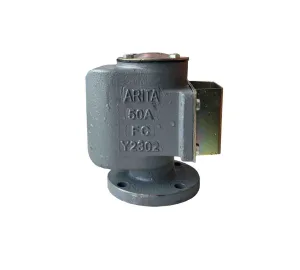
How Marine Air Vent Heads Prevent Water Ingress
The defining purpose of marine air vent heads Malaysia suppliers provide is water exclusion without restricting airflow. This is achieved through engineered internal designs such as:
- Deflectors that redirect incoming spray
- Internal chambers that separate air from water
- Automatic sealing mechanisms activated by rising water
These features allow tanks to remain ventilated while preventing seawater or rain from entering, even when waves break over the deck.
Where Marine Air Vent Heads Are Commonly Installed
Air vent heads are not limited to one type of tank. On vessels operating in Malaysian waters, they are commonly fitted on:
- Fuel oil and diesel tanks
- Ballast water tanks
- Freshwater and potable water tanks
- Lubricating oil and hydraulic oil tanks
Each application has different risk considerations, but all rely on air vent heads to maintain tank integrity and cleanliness.
Material Selection for Malaysian Marine Conditions
Material choice is a key factor influencing the service life of air vent heads. In tropical marine environments, components are constantly exposed to moisture and salt. As a result, marine air vent heads are typically manufactured from:
- Bronze, for excellent corrosion resistance
- Stainless steel, where higher durability is required
- Marine-grade cast iron with protective coatings
Selecting suitable materials helps reduce corrosion-related failures and minimises maintenance requirements over time.
Operational Risks of Inadequate Vent Protection
Using unsuitable or poorly designed vent fittings can lead to operational issues, including:
- Water contamination of fuel or ballast tanks
- Accelerated internal tank corrosion
- Increased cleaning and downtime
- Non-compliance during surveys or inspections
Properly specified air vent heads reduce these risks by maintaining controlled ventilation under all operating conditions.
Compliance and Inspection Considerations
Although air vent heads are relatively small components, they are often checked during vessel inspections. Marine air vent heads Malaysia suppliers typically offer products that align with:
- Marine design and construction standards
- Dimensional compatibility with vent piping
- Performance expectations for weather and water resistance
Choosing compliant equipment helps vessel operators avoid delays and corrective actions during audits or surveys.
Selecting the Right Air Vent Head for Your Vessel
When choosing a marine air vent head, operators should consider:
- The type of tank being vented
- Deck exposure and installation height
- Environmental operating conditions
- Compatibility with existing ventilation systems
Working with an experienced supplier of marine ventilation solutions ensures the selected air vent head meets both operational and regulatory requirements.
Conclusion
Marine Air Vent Heads play a crucial role in maintaining safe and efficient tank ventilation on vessels operating in Malaysia. By preventing water ingress while allowing continuous airflow, they protect tank contents, reduce maintenance issues and support regulatory compliance.
Although often overlooked, properly selected and installed air vent heads contribute significantly to the long-term reliability and safety of marine operations in tropical environments.
Frequently Asked Questions (FAQs)
Why are Marine Air Vent Heads important for vessels operating in Malaysia?
Marine Air Vent Heads are important because they allow tanks to breathe while preventing seawater and rain from entering. In Malaysia’s tropical climate, this protection helps avoid contamination, corrosion and pressure-related tank damage.
What types of tanks on a vessel require Marine Air Vent Heads?
Marine Air Vent Heads are commonly used on fuel, ballast, freshwater and lubricating oil tanks. Any enclosed tank that experiences filling or emptying cycles requires proper venting to maintain safe operating conditions.
How do Marine Air Vent Heads prevent water from entering the tank?
They use internal deflectors, chambers or automatic sealing mechanisms that block water while allowing air to pass through. This design ensures reliable ventilation even during heavy seas or deck washing.
What materials are suitable for Marine Air Vent Heads in Malaysian marine conditions?
Materials such as bronze, stainless steel and marine-grade cast iron are commonly used because they resist corrosion from seawater and high humidity. Choosing the right material helps extend service life and reduce maintenance needs.
What should buyers consider when selecting Marine Air Vent Heads in Malaysia?
Buyers should consider tank application, deck exposure, material suitability and compatibility with vent piping. Working with experienced Marine Air Vent Heads Malaysia suppliers helps ensure the selected product meets operational and inspection requirements.
Disclaimer:
The information in this article is for general guidance only and does not replace professional marine engineering or regulatory advice. Always verify specifications and compliance requirements with qualified professionals or relevant authorities.