

Marine piping systems operate in challenging environments where seawater quality, corrosion and debris are constant concerns. Even small contaminants can lead to equipment wear, flow disruption or unplanned downtime. To address these risks, marine systems rely on protective components that safeguard pumps, valves and downstream equipment. One such critical component is the marine Y-strainer.
In Malaysia’s marine and offshore sector, marine Y-strainers are widely used across commercial vessels, offshore platforms and industrial marine installations to maintain clean flow and system reliability.
The Hidden Risk of Contaminants in Marine Systems
Seawater and marine fluids often contain:
- Sand and sediment
- Rust particles from piping
- Marine growth and foreign debris
When these contaminants enter pumps, control valves or heat exchangers, they can cause erosion, clogging and premature equipment failure. Over time, this increases maintenance costs and affects operational efficiency.
A marine Y-strainer acts as the first line of defence, preventing debris from entering sensitive components and helping systems operate as designed.
What Is a Marine Y-Strainer and How Does It Work?
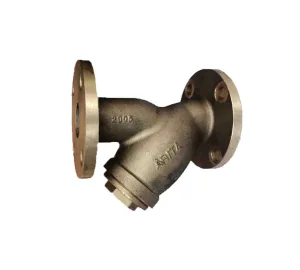
A marine Y-strainer is a filtration device installed in a pipeline to remove solid particles from fluids. Its Y-shaped body houses a removable screen that traps debris while allowing fluid to flow through the system.
The angled design makes the strainer compact and easy to service, which is especially valuable in confined shipboard spaces. When debris accumulates, the screen can be cleaned or replaced without dismantling large sections of piping.
Where Marine Y-Strainers Are Used on Malaysian Vessels
Marine Y-strainers are typically installed upstream of equipment that requires clean, uninterrupted flow.
Common Application Areas
- Cooling water systems, protecting pumps and heat exchangers
- Fuel and lubricating oil lines, preventing contamination of machinery
- Ballast and bilge systems, reducing sediment-related wear
- Firefighting systems, ensuring reliable operation during emergencies
These applications are common on vessels operating in Malaysian waters, where varying water quality and tropical conditions increase contamination risks.
Why the Y-Type Design Is Preferred in Marine Applications
The Y-strainer configuration offers several advantages over other strainer types.
Efficient Flow Path
The angled screen allows debris to collect without significantly restricting flow, helping maintain stable system pressure.
Compact Installation
Y-strainers require less space than basket strainers, making them suitable for tight engine room layouts.
Easier Maintenance
The removable screen can be accessed quickly, reducing downtime during routine inspections or cleaning.
These benefits make marine Y-strainers a practical choice for shipboard systems that demand both protection and accessibility.
Material Selection for Marine Y-Strainers in Malaysia
Malaysia’s marine environment presents challenges such as high humidity, salt exposure and temperature variations. To withstand these conditions, marine Y-strainers are commonly manufactured from:
- Bronze, offering excellent corrosion resistance
- Cast iron with marine-grade coatings, suitable for protected systems
- Stainless steel, used in applications requiring higher durability or cleanliness
Selecting the right material ensures consistent filtration performance and long service life in demanding marine conditions.
How Marine Y-Strainers Support System Reliability
While often overlooked, marine Y-strainers play a key role in extending equipment lifespan. By reducing the number of debris entering critical components, they:
- Minimise wear on pumps and valves
- Reduce unplanned maintenance
- Improve overall system reliability
In the long term, this translates into lower operating costs and improved vessel availability.
Selecting Marine Y-Strainers in Malaysia
When sourcing Marine Y-Strainer solutions in Malaysia, buyers should consider:
- Fluid type and operating conditions
- Required filtration mesh size
- Installation space and access for maintenance
- Compatibility with existing piping systems
Working with experienced marine equipment suppliers helps ensure the selected strainer meets both operational and regulatory expectations.
Conclusion
Marine Y-strainers are essential components for protecting shipboard systems from debris and contamination. In Malaysia’s marine industry, their ability to safeguard equipment, maintain flow quality and support reliable operations makes them a vital part of well-designed piping systems.
By understanding their function and application, vessel operators and engineers can improve system performance and reduce the risks associated with contaminated marine fluids.
Frequently Asked Questions (FAQs)
Why are Marine Y-Strainers important in shipboard piping systems in Malaysia?
Marine Y-strainers protect pumps, valves and equipment by removing debris from fluids before damage or blockage can occur, which is especially important in Malaysia’s marine environment where contamination risks are higher.
Where should a Marine Y-Strainer be installed on a vessel?
A Marine Y-strainer is typically installed upstream of pumps, heat exchangers and control valves to prevent solid particles from entering sensitive equipment.
What type of debris can Marine Y-Strainers remove?
Marine Y-strainers can capture sand, rust particles, marine growth and other solid contaminants commonly found in seawater and marine piping systems.
Which materials are suitable for Marine Y-Strainers in Malaysia?
Common materials include bronze, coated cast iron and stainless steel, selected for their corrosion resistance and durability in tropical marine conditions.
How do Marine Y-Strainers support long-term system reliability?
By preventing debris from reaching critical components, Marine Y-strainers reduce wear, minimise maintenance needs and help maintain stable system performance over time.
Disclaimer:
The information in this article is for general guidance only and does not replace professional marine engineering or regulatory advice. Always verify specifications and compliance requirements with qualified professionals or relevant authorities.