

Marine piping systems are designed under strict space, safety, and operational constraints. Onboard vessels, every valve must serve a clear purpose while fitting efficiently within limited layouts. Among the various valve types used in marine applications, marine angle valves are widely selected for their ability to manage flow direction while supporting compact system design.
In Malaysia’s marine and offshore industry, marine angle valves are commonly found across commercial vessels, offshore support ships, and industrial marine installations. Understanding when and why these valves are used helps engineers, shipowners, and procurement teams make informed decisions that improve system efficiency and long-term reliability.
Understanding the Function of Marine Angle Valves
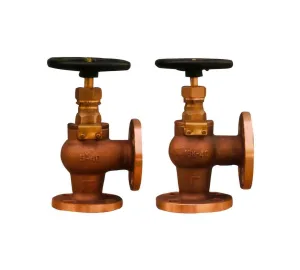
Marine angle valves are valves designed with an angled inlet and outlet, typically arranged at 90 degrees. Unlike straight-through valves, their configuration allows fluid flow to change direction within the valve body itself.
This design reduces the need for additional pipe bends or elbows, helping streamline piping layouts. While angle valves can perform similar shut-off or control functions as other valve types, their primary advantage lies in directional flow management combined with space efficiency.
Why Flow Direction Matters in Shipboard Systems
Shipboard piping systems often run through:
- Engine rooms with limited clearance
- Confined deck spaces
- Areas crowded with mechanical and electrical equipment
In such environments, managing flow direction efficiently is essential. Marine angle valves allow engineers to redirect flow at strategic points without adding extra fittings, which can increase pressure loss and maintenance requirements.
By integrating direction change and valve functionality into one component, marine angle valves support cleaner system layouts and more predictable performance.
Typical Applications of Marine Angle Valves in Malaysia
Marine angle valves are used across a wide range of shipboard systems, depending on operational needs and piping design.
Common Application Areas
- Bilge and ballast systems, where piping routes often change direction
- Cooling water lines, requiring compact layouts near pumps and heat exchangers
- Fuel and lubricating oil systems, where space optimisation improves safety and accessibility
- Firefighting and auxiliary systems, especially in confined compartments
These applications are common on vessels operating in Malaysian and regional waters, where reliability and efficient space usage are critical.
Advantages of Using Marine Angle Valves
-
Space-Efficient Piping Design
By eliminating the need for additional elbows, marine angle valves reduce overall system footprint. This is particularly valuable in engine rooms and machinery spaces.
-
Reduced Pressure Loss
Fewer fittings in the pipeline can lead to smoother flow paths, helping minimise turbulence and pressure drop within the system.
-
Simplified Installation
Combining directional change and valve control into one component simplifies installation and reduces potential leak points.
-
Versatile Functionality
Marine angle valves are available in various configurations for isolation, throttling, or system control, depending on the valve design and application.
Material Considerations for Malaysian Marine Conditions
Malaysia’s tropical climate presents challenges such as high humidity, salt exposure, and elevated operating temperatures. To address these conditions, marine angle valves are typically manufactured from materials such as:
- Bronze, offering strong corrosion resistance
- Cast iron with marine-grade coatings, suitable for protected environments
- Stainless steel, used where higher durability or cleanliness is required
Selecting the right material ensures long service life and consistent performance in demanding marine environments.
Marine Angle Valves vs. Other Marine Valve Types
Marine angle valves are often compared with straight-pattern valves such as globe or gate valves. While each has its place, angle valves are preferred when:
- The piping layout requires a change in direction
- Space constraints limit the use of additional fittings
- System efficiency and accessibility are priorities
In contrast, straight-pattern valves are more suitable where flow direction remains linear and precise flow regulation is required.
Compliance and System Integration
Although marine angle valves are relatively simple components, they must still meet marine industry expectations for safety and performance. In Malaysia, these valves are typically selected to align with:
- Marine piping standards
- Pressure and temperature requirements
- Compatibility with existing shipboard systems
Using properly specified marine angle valves supports smoother inspections and reduces the risk of operational issues.
Selecting Marine Angle Valves in Malaysia
When sourcing Marine Angle Valves in Malaysia, buyers should evaluate:
- The specific system application
- Space and piping layout constraints
- Material suitability for marine exposure
- Supplier experience with marine equipment
Working with an established marine equipment supplier helps ensure the selected valves meet both operational needs and long-term reliability expectations.
Conclusion
Marine angle valves play a vital role in shipboard piping systems by enabling efficient flow direction control within limited spaces. In Malaysia’s marine environment, their ability to simplify layouts, reduce fittings, and support durable operation makes them a practical choice across a wide range of applications.
By understanding when and why marine angle valves are used, vessel operators and engineers can design systems that are more efficient, easier to maintain, and better suited to the realities of marine operations.
Frequently Asked Questions (FAQs)
Why are marine angle valves commonly used in shipboard piping systems in Malaysia?
Marine angle valves are widely used because they allow fluid flow to change direction within the valve body itself. In Malaysian vessels, where space is limited and piping routes are complex, this design helps simplify layouts, reduce the number of fittings, and improve overall system efficiency.
In which marine systems are Marine Angle Valves most effective?
Marine angle valves are most effective in systems where piping direction changes are unavoidable, such as bilge, ballast, cooling water, and auxiliary service lines. These systems are commonly found on commercial and offshore vessels operating in Malaysia and benefit from compact and accessible valve arrangements.
How do Marine Angle Valves differ from straight-pattern marine valves?
Unlike straight-pattern valves, marine angle valves redirect flow at a 90-degree angle while providing isolation or control. This makes them suitable for tight spaces, whereas straight-pattern valves are typically preferred for linear piping runs that require more direct flow paths.
What materials are suitable for Marine Angle Valves in Malaysia’s marine environment?
Materials such as bronze, coated cast iron, and stainless steel are commonly used for Marine Angle Valves in Malaysia. These materials are chosen for their resistance to corrosion, humidity, and salt exposure, ensuring reliable performance in tropical marine conditions.
What should buyers consider when selecting Marine Angle Valves in Malaysia?
Buyers should consider the valve’s intended application, pressure and temperature requirements, available installation space, and material compatibility. Selecting Marine Angle Valves from experienced marine suppliers helps ensure proper system integration and long-term operational reliability.
Disclaimer:
The information in this article is for general guidance only and does not replace professional marine engineering or regulatory advice. Always verify specifications and compliance requirements with qualified professionals or relevant authorities.