

Marine piping systems demand components that deliver reliable flow control, backflow prevention and long-term durability under harsh operating conditions. Among the most trusted solutions used on commercial vessels and offshore assets are Marine SDNR Globe Valves. In Malaysia’s marine and offshore environment, where humidity, salinity and regulatory compliance are critical considerations, understanding how these valves function and where they are best applied is essential for shipowners, engineers and procurement teams.
This article explains the design principles, typical applications and compliance standards of Marine SDNR Globe Valves, helping buyers make informed and specification-compliant decisions.
What Is a Marine SDNR Globe Valve?
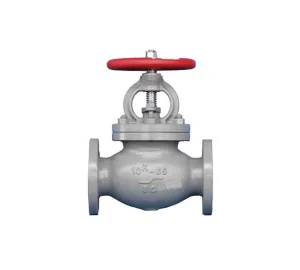
A Screw Down Non-Return (SDNR) globe valve is a marine valve designed to perform two functions within a single unit:
- Manual flow control – using a screw-down mechanism
- Automatic prevention of reverse flow – through a built-in non-return (check) feature
Unlike standard globe valves, SDNR valves eliminate the need for a separate check valve, reducing system complexity and potential leakage points. This dual functionality makes them especially suitable for shipboard systems where safety and space efficiency are priorities.
Key Design Principles of Marine SDNR Globe Valves
-
Globe Valve Flow Control Geometry
Marine SDNR globe valves utilise a linear flow path with a movable disc and seat, allowing precise throttling and shut-off. This design provides better control than gate valves in systems where regulated flow is required rather than simple on/off operation.
-
Integrated Non-Return Mechanism
The non-return function ensures that once flow stops or reverses, the valve automatically closes to prevent backflow. This is critical in marine environments, where reverse flow can cause flooding, contamination or equipment damage.
-
Marine-Grade Materials
Most Marine SDNR Globe Valves supplied in Malaysia are manufactured from bronze or approved marine alloys. These materials offer:
- High resistance to seawater corrosion
- Long service life in humid and saline conditions
- Compatibility with marine classification requirements
-
Flanged JIS Connections
Marine SDNR globe valves are commonly produced with JIS-standard flanged ends, ensuring compatibility with shipboard piping systems used across Asian and international fleets.
Typical Applications in Marine and Offshore Systems
Marine SDNR Globe Valves are widely installed in systems where controlled flow and backflow protection are equally important.
Common Shipboard Applications
- Bilge systems – preventing reverse seawater ingress
- Ballast water lines – ensuring controlled intake and discharge
- Cooling water circuits – protecting pumps and heat exchangers
- Fuel and lubricating oil lines – where flow stability is critical
In these systems, SDNR globe valves provide both operational control and safety assurance, reducing dependency on multiple valve types.
Why SDNR Globe Valves Are Important in Malaysia’s Marine Environment
Malaysia’s marine sector operates in conditions characterised by:
- High ambient temperatures
- Elevated humidity
- Constant exposure to saltwater
These factors accelerate corrosion and mechanical wear. Marine SDNR globe valves, when properly specified, help mitigate these risks by offering:
- Durable construction suitable for tropical climates
- Reliable sealing performance under fluctuating pressures
- Reduced maintenance frequency compared to standard valves
For operators seeking long-term reliability, these valves are often selected alongside other marine flow control solutions to ensure system integrity across the vessel.
Compliance Standards and Certification Considerations
When sourcing Marine SDNR Globe Valves in Malaysia, compliance is not optional. Reputable suppliers provide valves that conform to recognised marine standards.
Key Compliance Elements
- JIS standards for dimensions, pressure ratings and flange compatibility
- Materials suitable for marine service and seawater exposure
- Manufacturing quality aligned with marine industry best practices
Valves used on classed vessels may also need to meet additional requirements set by classification societies, depending on application and system criticality.
Selecting compliant valves not only ensures regulatory acceptance but also reduces operational risk during inspections and audits.
SDNR Globe Valves vs. Angle SDNR Valves
While both valve types provide screw-down non-return functionality, globe SDNR valves are typically chosen when:
- Straight-line piping layouts are preferred
- Precise throttling is required
- Space constraints are moderate
In contrast, angle-type SDNR valves are more suitable where directional flow change is needed. Understanding this distinction helps engineers select the correct valve for each system without compromising performance.
Selecting the Right Marine SDNR Globe Valve Supplier
When evaluating suppliers in Malaysia, decision-makers should look beyond price and consider:
- Proven marine application experience
- Availability of technical documentation
- Product consistency and traceability
- Local support and product knowledge
Working with an established marine equipment supplier simplifies procurement and ensures compatibility with other shipboard valve systems, including marine SDNR angle valve solutions used elsewhere on the vessel.
Conclusion
Marine SDNR Globe Valves play a vital role in ensuring safe, controlled and compliant fluid management on ships and offshore installations operating in Malaysia. Their dual-function design, corrosion-resistant materials and adherence to marine standards make them a reliable choice for critical shipboard systems.
By understanding their design principles, application suitability and compliance requirements, marine professionals can make confident, specification-driven decisions that support long-term vessel performance and safety.
Frequently Asked Questions (FAQs)
Why do marine engineers choose SDNR globe valves over using two separate valves?
Marine engineers often prefer SDNR globe valves because they combine flow regulation and backflow prevention in one valve, which simplifies piping design and reduces potential failure points. This is especially useful on ships where space, safety and system reliability are key considerations.
In which shipboard systems are Marine SDNR globe valves most commonly used in Malaysia?
They are typically installed in systems such as bilge, ballast, cooling water and fuel-related lines, where stable flow control and protection against reverse flow are essential. These systems are widely used on vessels operating in Malaysian and regional waters.
What makes bronze a practical material choice for Marine SDNR globe valves in tropical climates?
Bronze performs well in marine environments because it resists corrosion from seawater and high humidity. In tropical regions like Malaysia, this helps maintain valve performance over time while reducing maintenance and replacement frequency.
What standards should buyers check when sourcing Marine SDNR globe valves in Malaysia?
Buyers should ensure the valves meet recognised marine standards, such as JIS specifications, covering pressure ratings, dimensions and flange compatibility. Valves that follow these standards are easier to integrate into ship systems and pass inspection requirements.
When should a Marine SDNR globe valve be used instead of an SDNR angle valve?
A Marine SDNR globe valve is usually selected when the piping layout is straight and requires precise flow adjustment. SDNR angle valves are more suitable when the system needs a change in flow direction, making the choice dependent on piping design rather than valve performance alone.
Disclaimer:
The information in this article is for general guidance only and does not replace professional marine engineering or regulatory advice. Always verify specifications and compliance requirements with qualified professionals or relevant authorities.